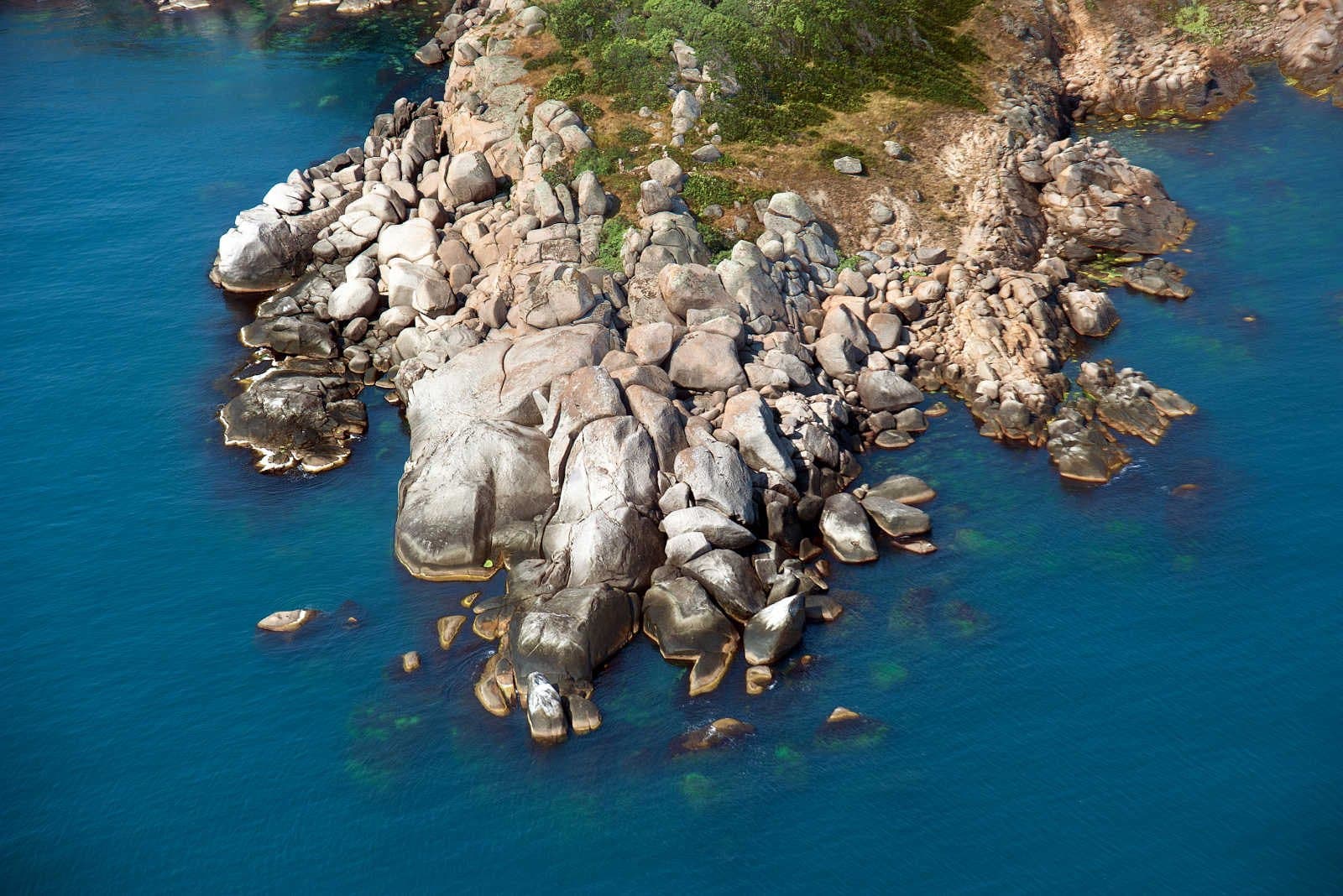
Zeytinburun, better known as Maslen Nos, lies in the southern part of the Buruna peninsula, between Stomoplo Bay and the mouth of the Ropotamo river. St Paraskeva Bay splits Buruna in two, and the tip of its southern part ends with Maslen Nos.
The slopes of the cape drop into the sea and reach 30 metres in height. From the sea, piles of rock make it inaccessible. To the north the slopes are cut by deep coves, jagged headlands, small peninsulas and rocky islets.
The southern side is steep too, but sheltered from strong winds. A very beautiful cove hides there, its stony bottom covered in colourful seaweed. During storms it becomes a refuge for boats, small ships and launches.
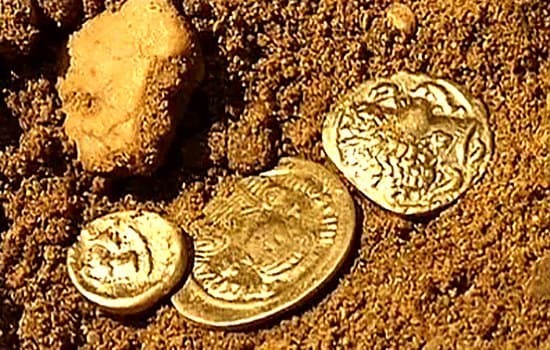
The voivode hid his gold in a cache at Zeytin Burun, now Maslen Nos, north of Primorsko, in the easternmost arm of Strandzha. Seven cauldrons of gold coins, three copper pots of silver and one more of small coins wait to see the light. The jewels and diamonds are in a separate casket.
Valchan Voivoda’s personal notebook describes the way to the treasure:
At Zeytin Burun, in the Bakadzhik area, there are two snakes with flattened tails. One has a cross on its tail, the other a mace. The one with the cross looks at a stone shaped like a soldier, and on top the soldier holds a goldsmith’s scale. Six steps from it lies a black stone like a resting buffalo, with a cross carved in a frame: that is the mark. And the other snake looks at…
The roar of waves, an azure sea and perhaps the last almost untouched beach on the southern Black Sea coast. This is Maslen Nos.
Love and be loved.